Who is telling it
For five years, O'Neill has done the same thing every day: take a general language model and teach it to do specific things. At first that meant teaching GPT-2 modular addition; now it means models with over a trillion parameters, on tasks that sometimes take hours.
From wrappers to Composer
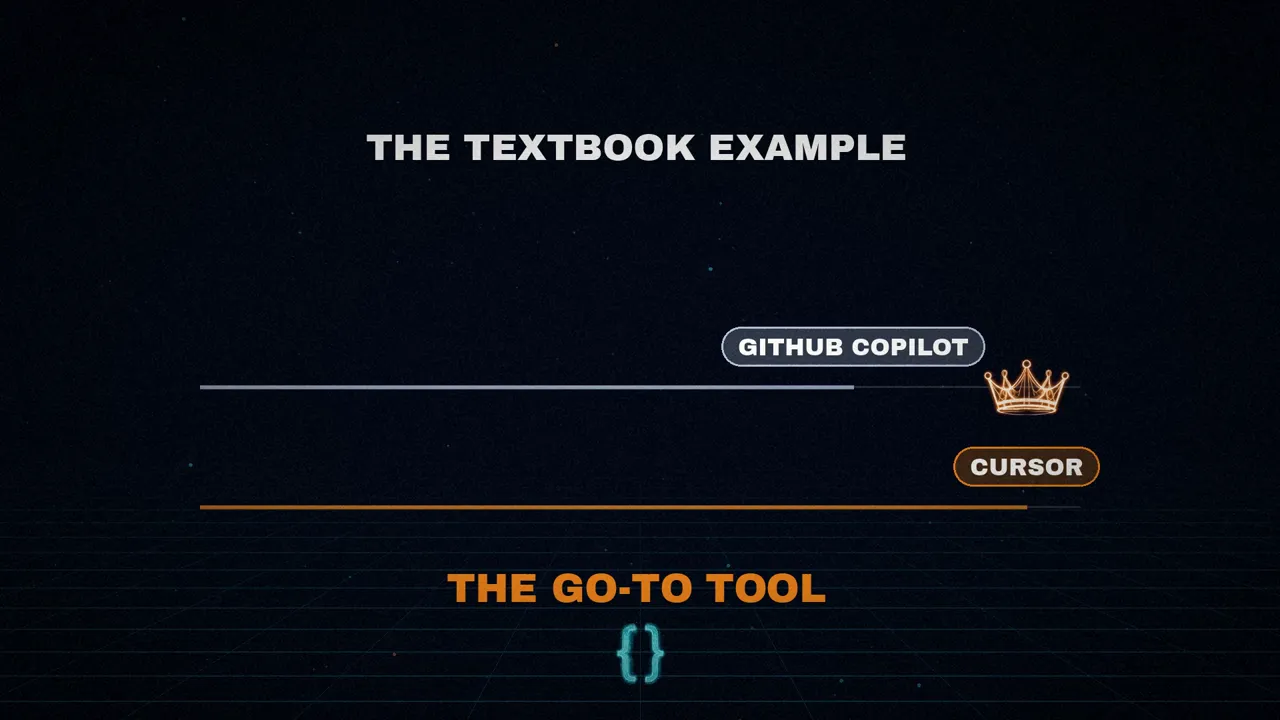
According to the author, 2024 was the year of the "wrappers": apps built on top of the big labs' models. The textbook example is Cursor, which used that formula to overtake GitHub Copilot and become the go-to tool for coding with AI.
In 2025, Cursor shipped Composer, its own model. The foundation is Kimi, an open-weights model, but "the magic" came from post-training done entirely in-house. And they didn't do it to save on API calls.
The signal lives inside the product
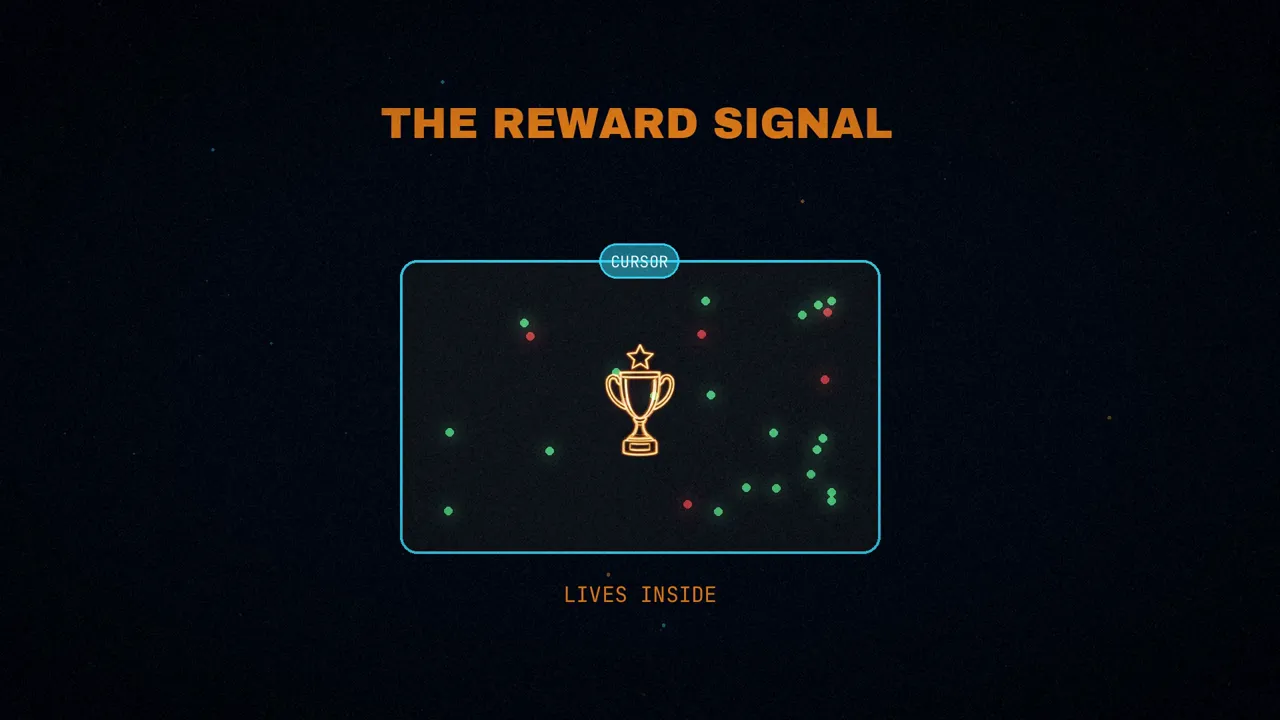
So why did they do it? Because, O'Neill says, they had figured out something the market still hasn't fully priced in: the reward signal for being good at coding inside Cursor lives inside Cursor, and nowhere else. Only there can you see which suggestions a developer accepts and which ones they reject.
The flywheel and the list of companies
For the author, Cursor is just the most visible example of what is now the strategy for the whole app layer: get closer to your users to understand when your model works, and use that to build better models and products. That's what spins the flywheel.
And the pattern, he says, is now too consistent to be a coincidence: any company whose product is an agent working in a loop on long tasks is moving off the labs' models and onto models trained on its own interaction data. He names names: Decagon, Abridge, OpenEvidence, Hippocratic, Intercom, Chroma, Pinterest, Cognition, Lovable, Notion, Harvey, Gamma and World Labs. According to him, they all train their own models on top of open weights.
An important caveat: the author isn't neutral. At Baseten, that's exactly what they help with: getting these companies off frontier APIs and onto specialized models.
The bitter lesson and moving targets
The usual objection is Richard Sutton's bitter lesson: in the long run, general scale beats human domain expertise. In other words: don't specialize, just wait for the next base model.
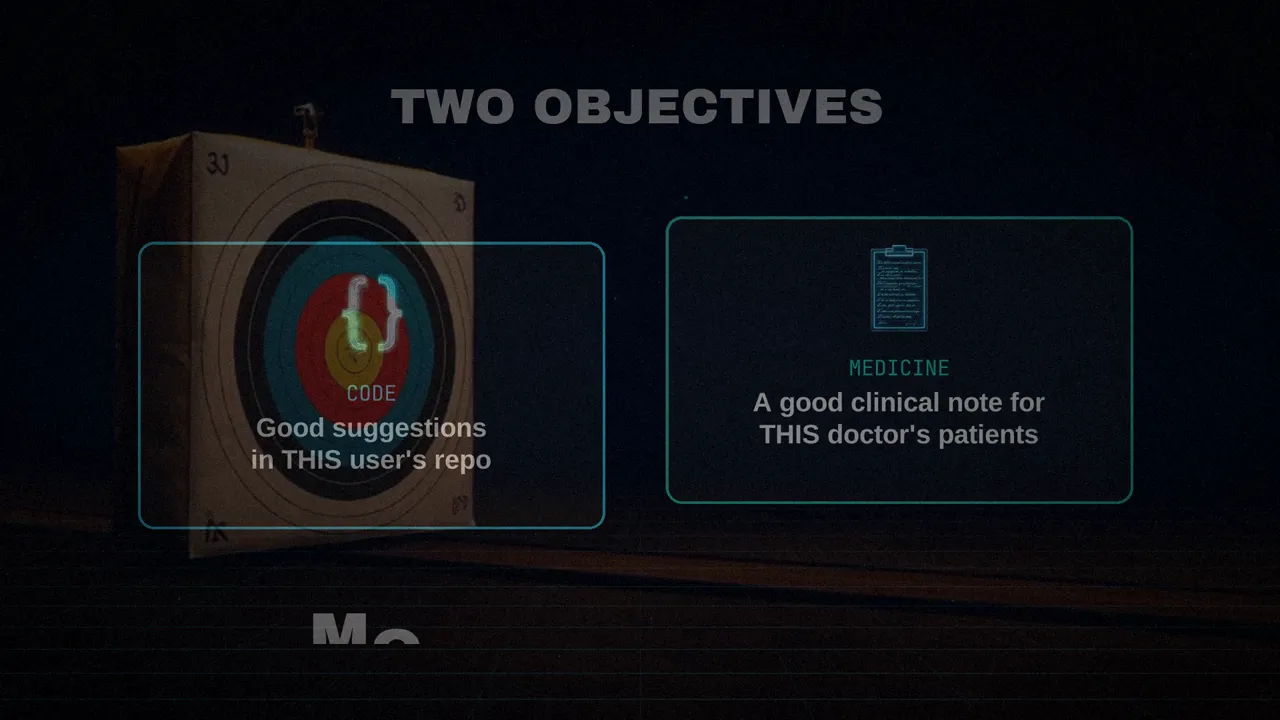
O'Neill replies that this holds when you scale compute against a fixed objective, and most objectives aren't fixed. Think of "good code suggestions in this user's repo" or "a good clinical note for this doctor's patients": they are moving targets. What counts as correct is discovered by iterating on the product, and no amount of next-word prediction on static text produces it.
Reinforcement against real outcomes
What does produce it, according to the article, is reinforcement learning against outcomes: accepted versus rejected suggestions, or agent trajectories that succeeded versus failed in real work. And those outcomes only exist where the product runs. For the author, that's the axis where specialization beats generality, and where the remaining frontier headroom sits.
What the evidence says (according to the author)
O'Neill claims that over the last year the empirical case has become "undeniable": for the same capability budget, a specialized open model matches or beats a frontier model on the agent tasks it was trained for, and the gap widens as the task gets longer and uses more tools. He also talks about unit economics close to an order of magnitude better.
Read it for what it is: the article shows no data or concrete benchmarks for any of this, and it comes from someone whose company makes its living from it being true.
Why the labs can't follow
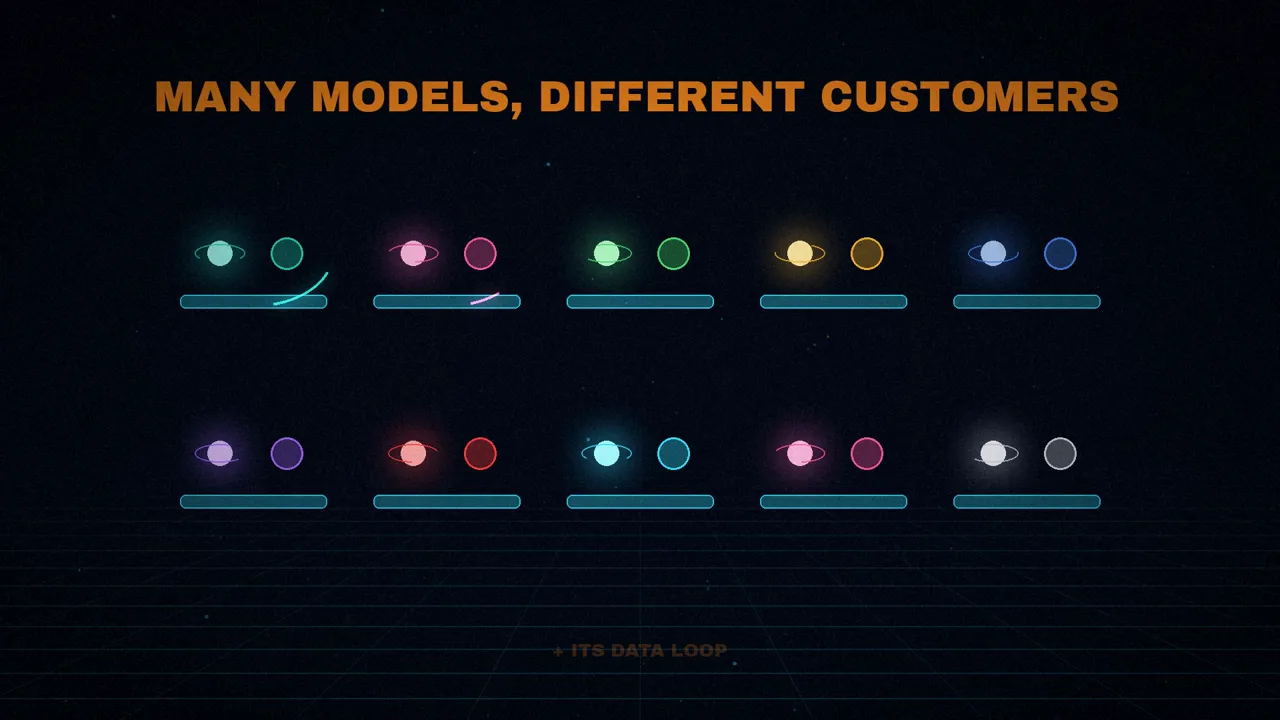
For the author, the reason is organizational. The big labs are built to serve one model to many customers. Specialization needs the opposite: many models for different customers, designed together with the infrastructure that serves them and with each customer's data loop.
What makes a lab good at pre-training (centralized runs, the economics of serving a single model, a research-lab structure) clashes with what a specialization business needs. That's why, he says, fine-tuning is a sideline for them, and has to be. O'Neill says he often debates this with friends and reminds them that OpenAI just deprecated its fine-tuning API.
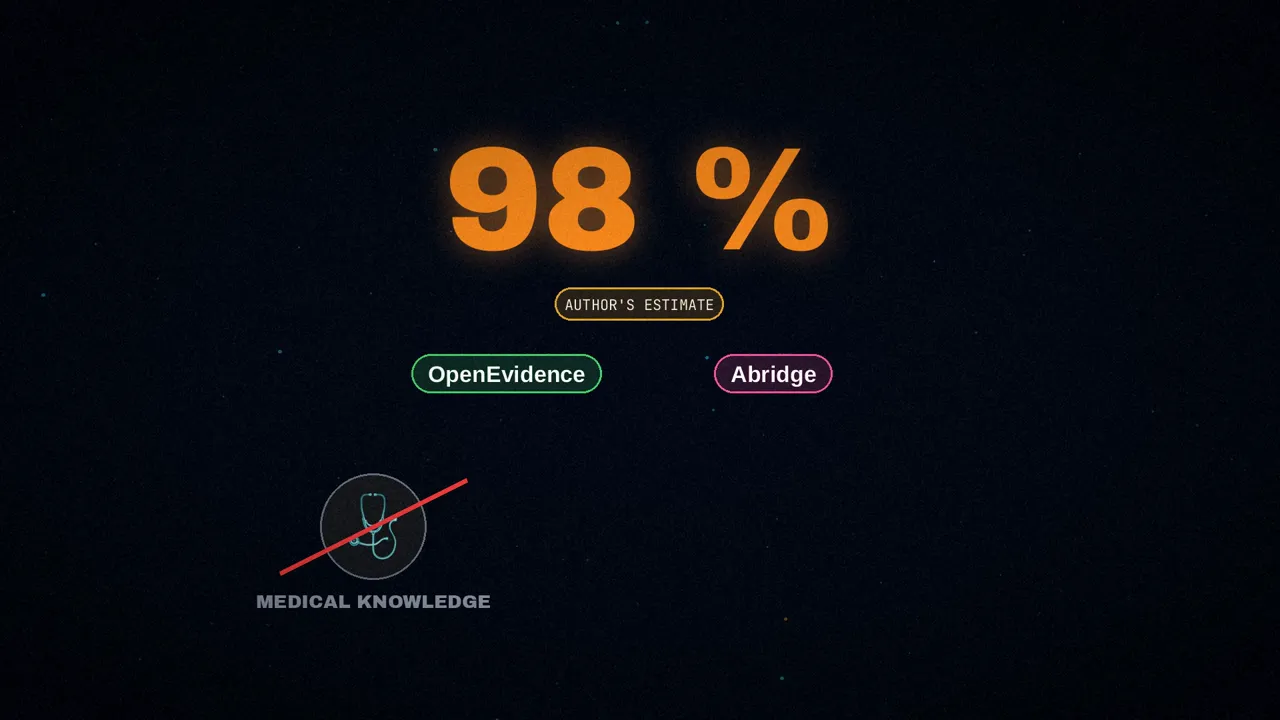
There's more: treating specialization as a first-class business would mean admitting that pre-training scale isn't what limits real-world value, and their entire capital structure rests on that thesis. Hiring domain experts doesn't help either: according to the author, 98% of what makes OpenEvidence or Abridge good isn't medical knowledge, but the feedback loops they've built into the product. That 98% is his estimate, not a measurement.
The only defense that survives
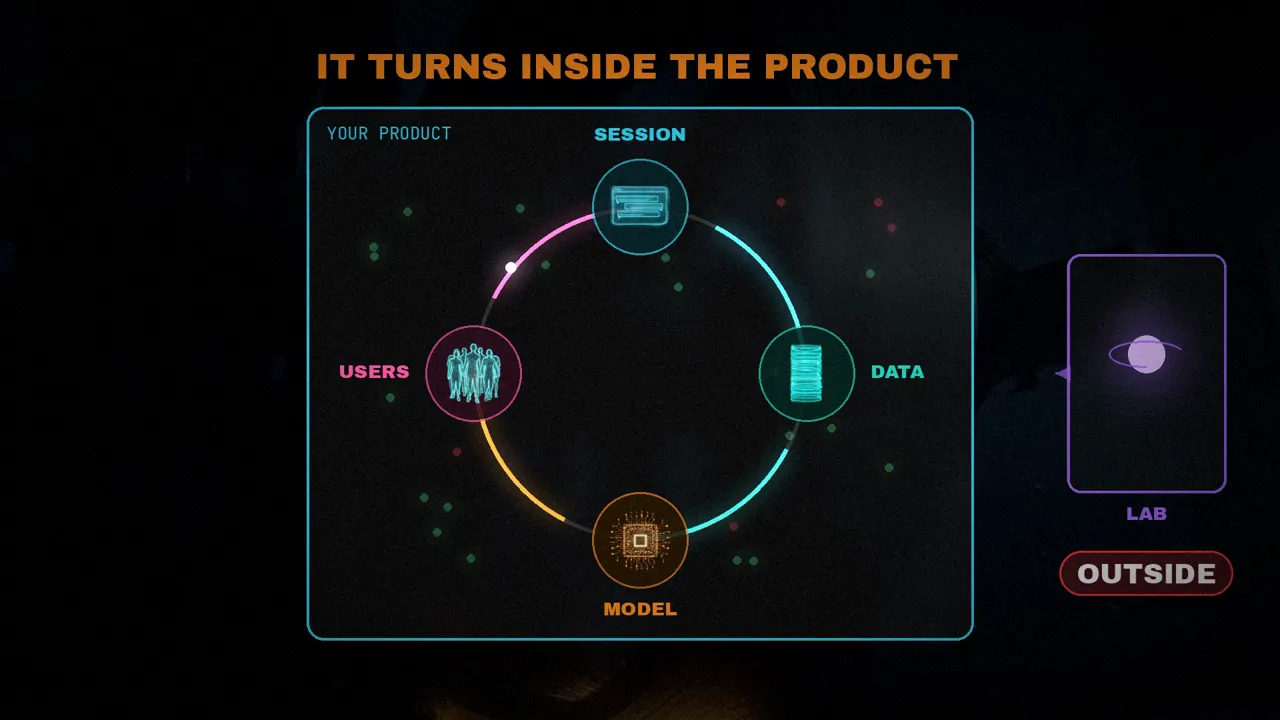
What this wave of companies has figured out, according to O'Neill, is that as software gets cheaper and cheaper to build, the only defense that survives is owning a model trained on a signal no one else can see. Every user session generates data; each training run yields a better model; and that model attracts more users, who bring more data. The flywheel turns inside the product, and the labs, for all their scale, are left outside.
The model's user experience
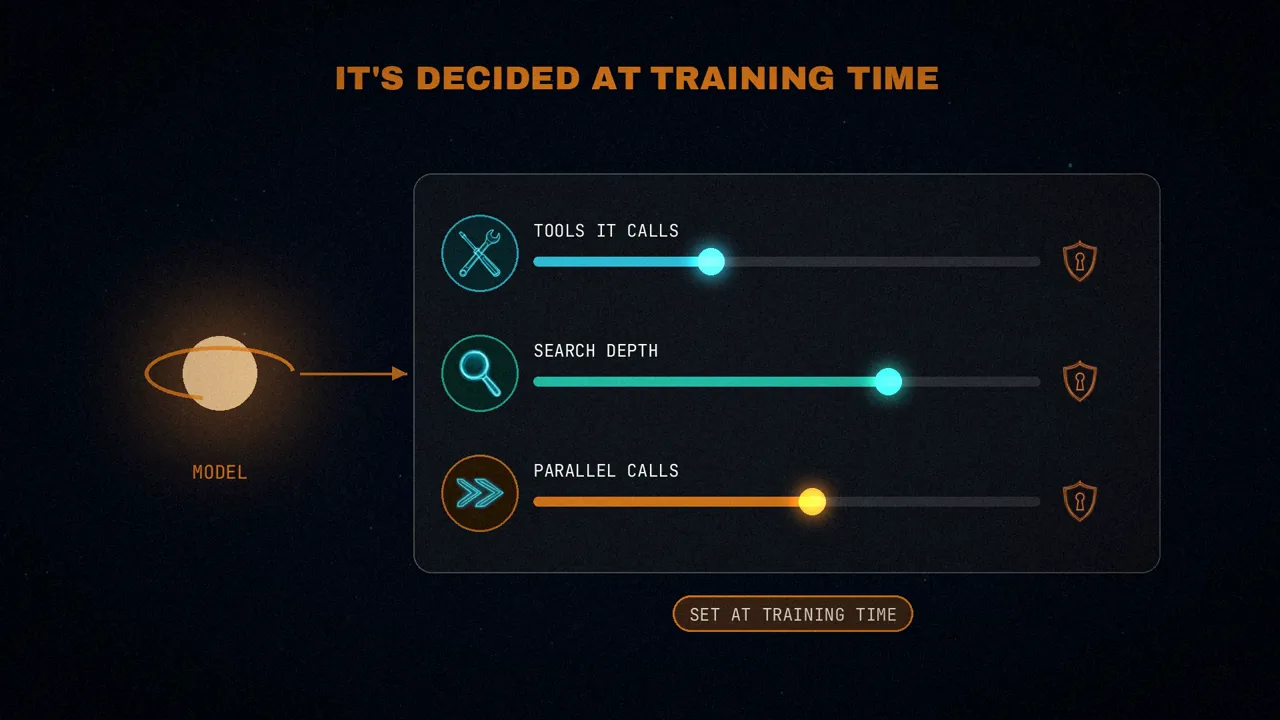
There's one more piece: every product has a very detailed idea of what doing it well means. How many tools the model calls, how deep it searches, how many calls it runs in parallel. That's the model's user experience; companies now care about it, and it's decided at training time: you can't prompt it away.
In short
For Charlie O'Neill, the question app companies are asking is no longer "how do we use AI?" but "how do we resist becoming a commodity, to deliver better results for customers?". His answer: specialized models, built on what only you know about the people you serve every day. The big labs, he says, can't do it; you can. Keep in mind it's the view of someone who works at Baseten, and the article offers no data behind its numbers.
The signal that makes a model good lives inside each product, and whoever has it can train a model the big labs can't copy.
Would you train your own model, or stick with a frontier one?
Sources
- "Why every serious AI company is training its own model", by Charlie O'Neill (article on X, May 13, 2026).
- The video, on my channels: English and Spanish.