Autonomous context compression: the agent decides when to forget
I explain LangChain's autonomous context compression: a Deep Agents tool that lets the agent itself decide when to summarize its memory.
Passionate about Artificial Intelligence and programming. On this page you will stop seeing how to use AI and start learning how to create AI and much more in english
I hope you like it!
Come in and learn all you can
Posts
Projects
Talks
AI Dockers
Tips
Datasets

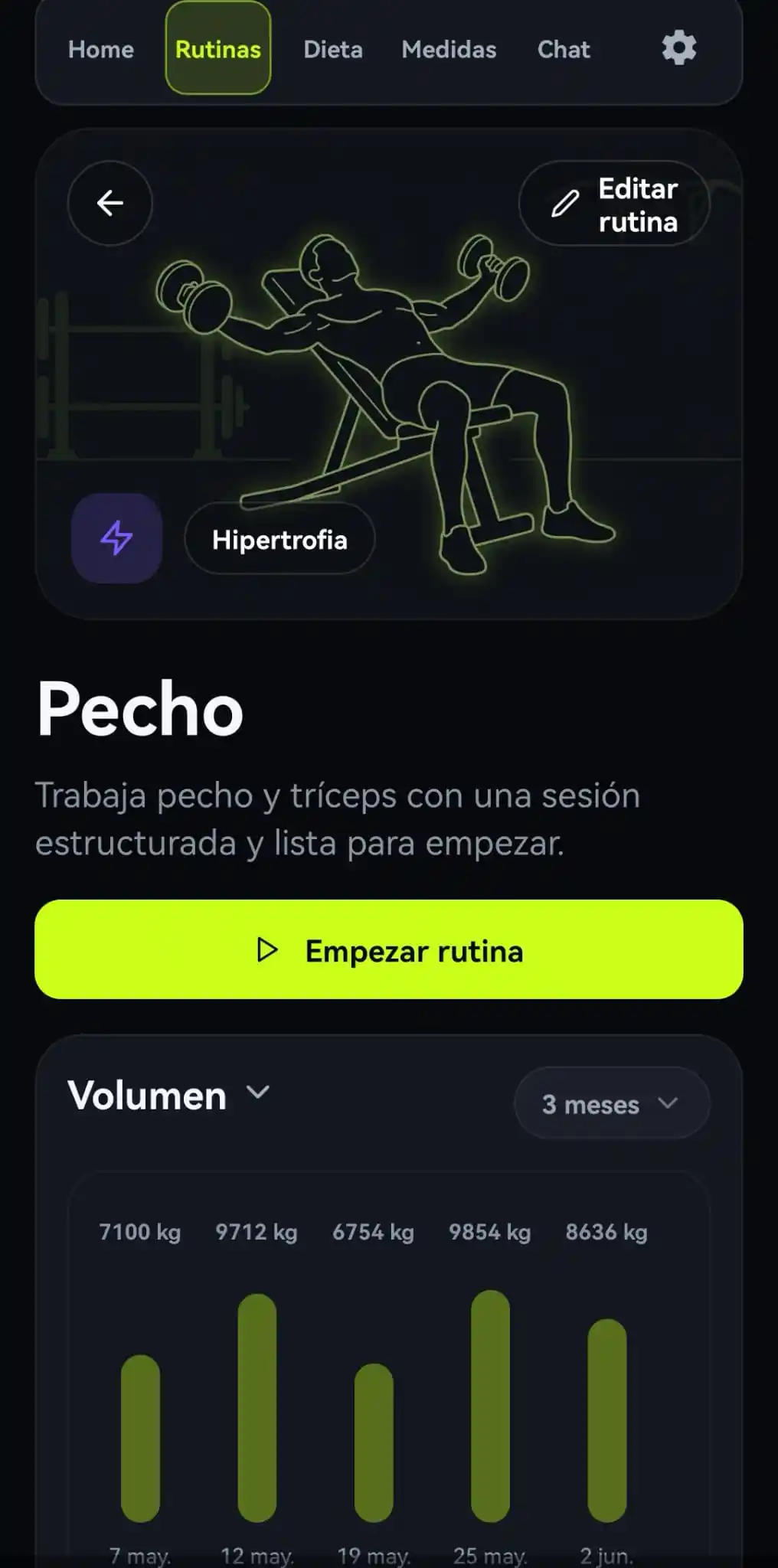
Development of the agent behind an inspection assistant for Red Eléctrica de España. Technicians had millions of photos of high-voltage towers and their defects, and had to review them tower by tower. With the agent they can query by area and by defect type, which makes prioritising and dispatching repair crews far more efficient.
 Python
 LangGraph
 LangSmith
 MCP
 OpenAI
 Mistral
 OpenRouter
 AWS S3
 Railway
 Docker
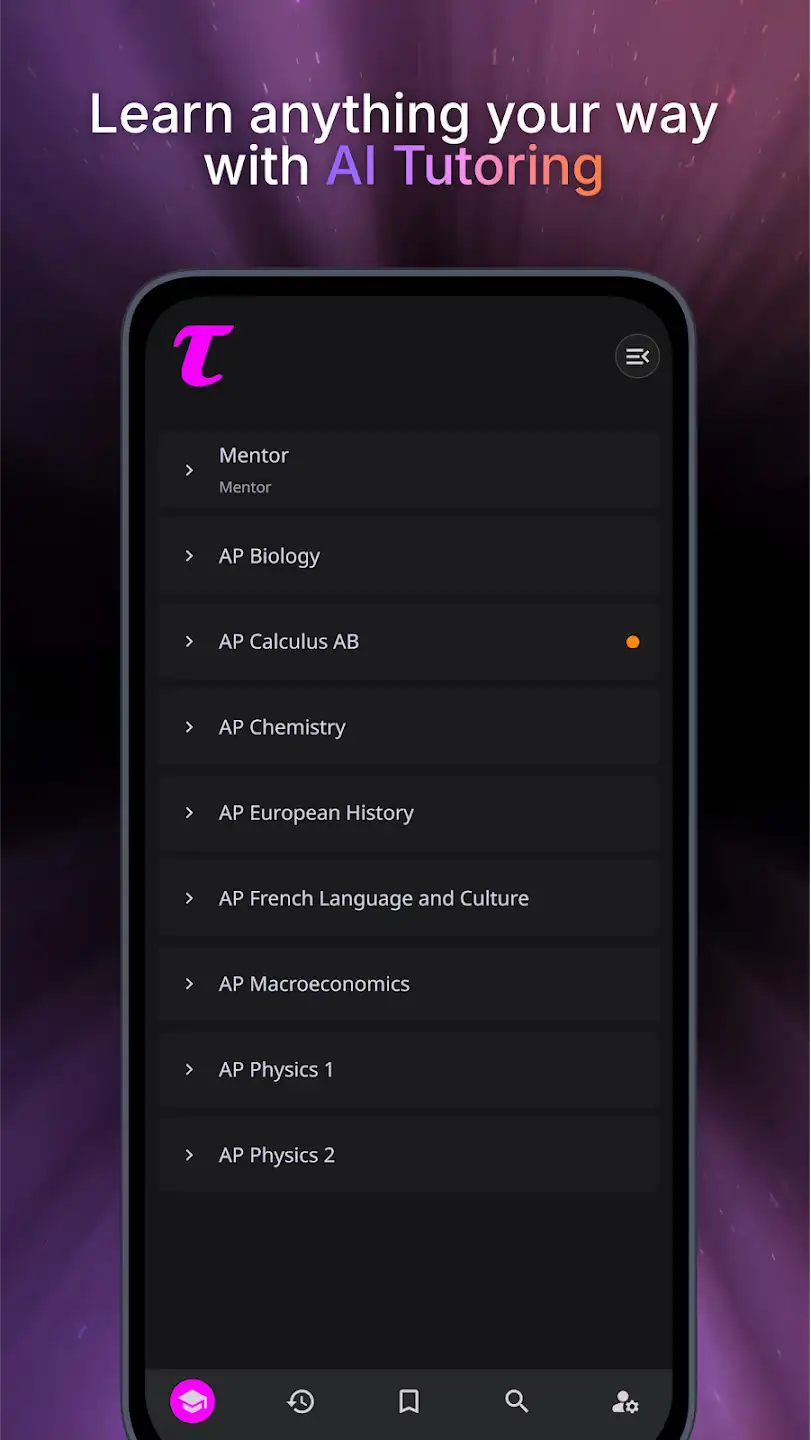
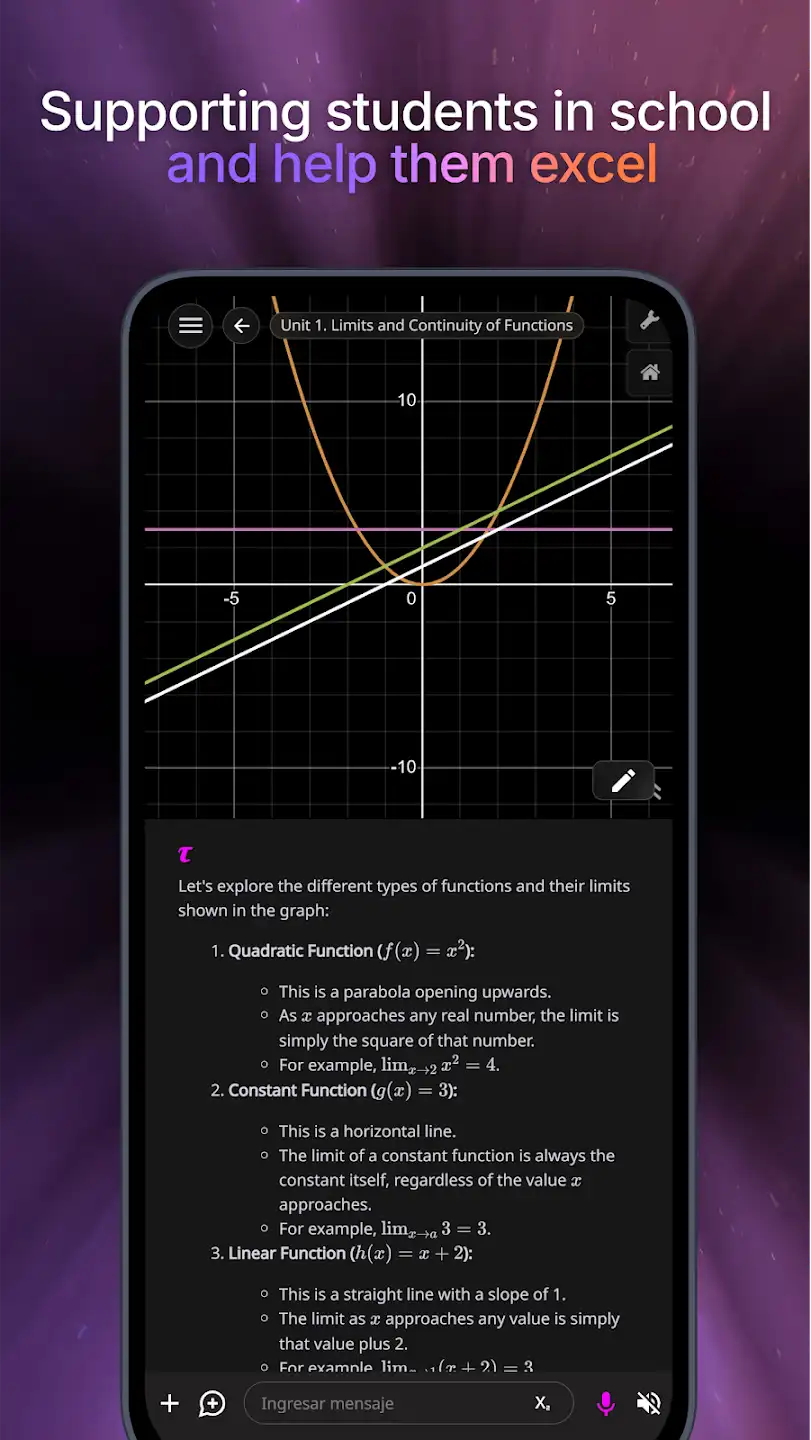
Alvea hired me as a freelancer to build agent products with their partner company, Turing Dream. The main project was a multi-agent tutoring system for secondary school students, with one agent per subject and course material written and validated by a team of teachers. It was used with real students at a private school in Spain and at a secondary school in Colombia.
Python  OpenAI Agents SDK
 Graph databases
 Gremlin
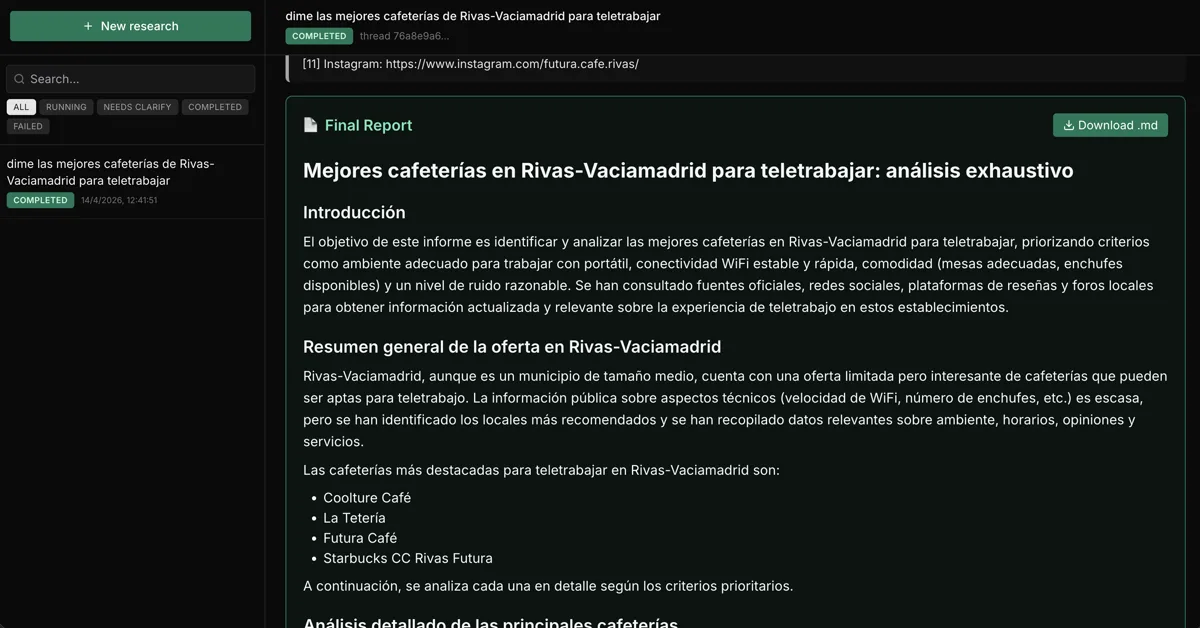
Development of a chatbot for HoReCa (hotels, restaurants and cafes), through which cooks and waiters can talk to the chatbot to make queries about recipes and menus.
Python  LangChain
 PostgreSQL
 PGVector
 React
 Kubernetes Docker
 GitHub Actions
Technical leadership on a generative AI initiative on Azure: architecture, technology selection and risk assessment. The programme was halted by the client.
Python  Pytorch
 HuggingFace
 Azure
 Azure Machine Learning
Machine Learning Engineer, vision algorithms development for autonomous vehicle and leadership in RAG system to obtain documentation information
Python Pytorch HuggingFace  TensorRT
 Nvidia Jetson
AI, HW and FW development.
Python Pytorch  YOLO
 Altium
 STM32
 C
HW and FW development.
Altium C  Eclipse
Help project manager in project management. HW and FW development.
Altium C  MPLAB

Let's talk.
maximofn@gmail.com
Machine Learning and AI specialist. I develop solutions with generative AI, intelligent agents and custom models.

I explain LangChain's autonomous context compression: a Deep Agents tool that lets the agent itself decide when to summarize its memory.
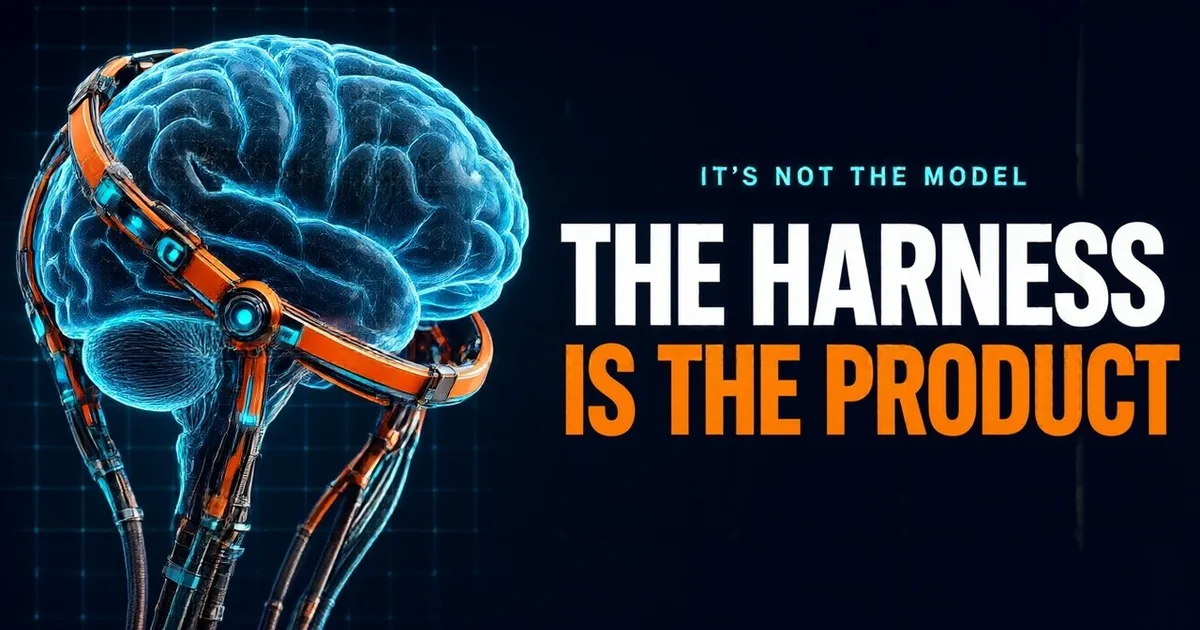
I explain nyk's «The Harness Is The Product»: why the harness around the model decides whether an AI agent works in prod...
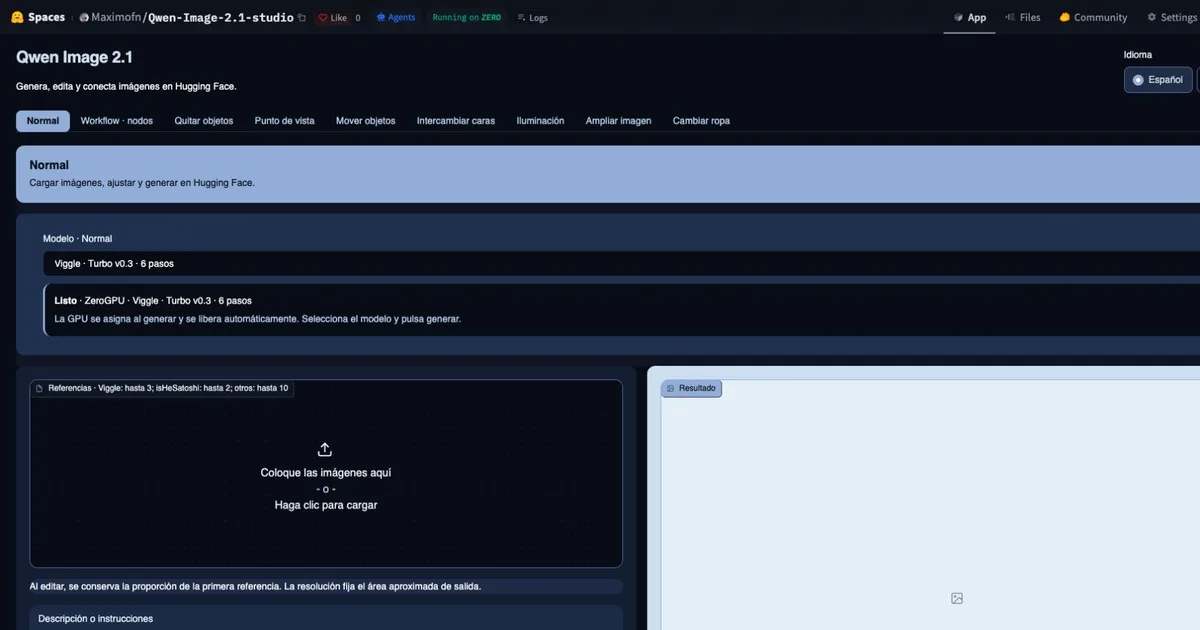
How I tested Qwen Image 2.1 on two RTX 3090s, built a private Gradio Studio behind Tailscale and ported it to Hugging Fa...
Python
Pytorch
HugginFace

Langchain

Ollama

Astro
Docker

Terminal

Git

Conda

HTML5

CSS3
Python
Pytorch
HugginFace
Langchain
Ollama
Astro
Docker
Terminal
Git
Conda
HTML5
CSS3
Astro
Ollama
Langchain
HugginFace
Pytorch
Python
Conda
Git
Terminal
Docker
HTML5
CSS3
Astro
Ollama
Langchain
HugginFace
Pytorch
Python
Conda
Git
Terminal
Docker
HTML5
CSS3

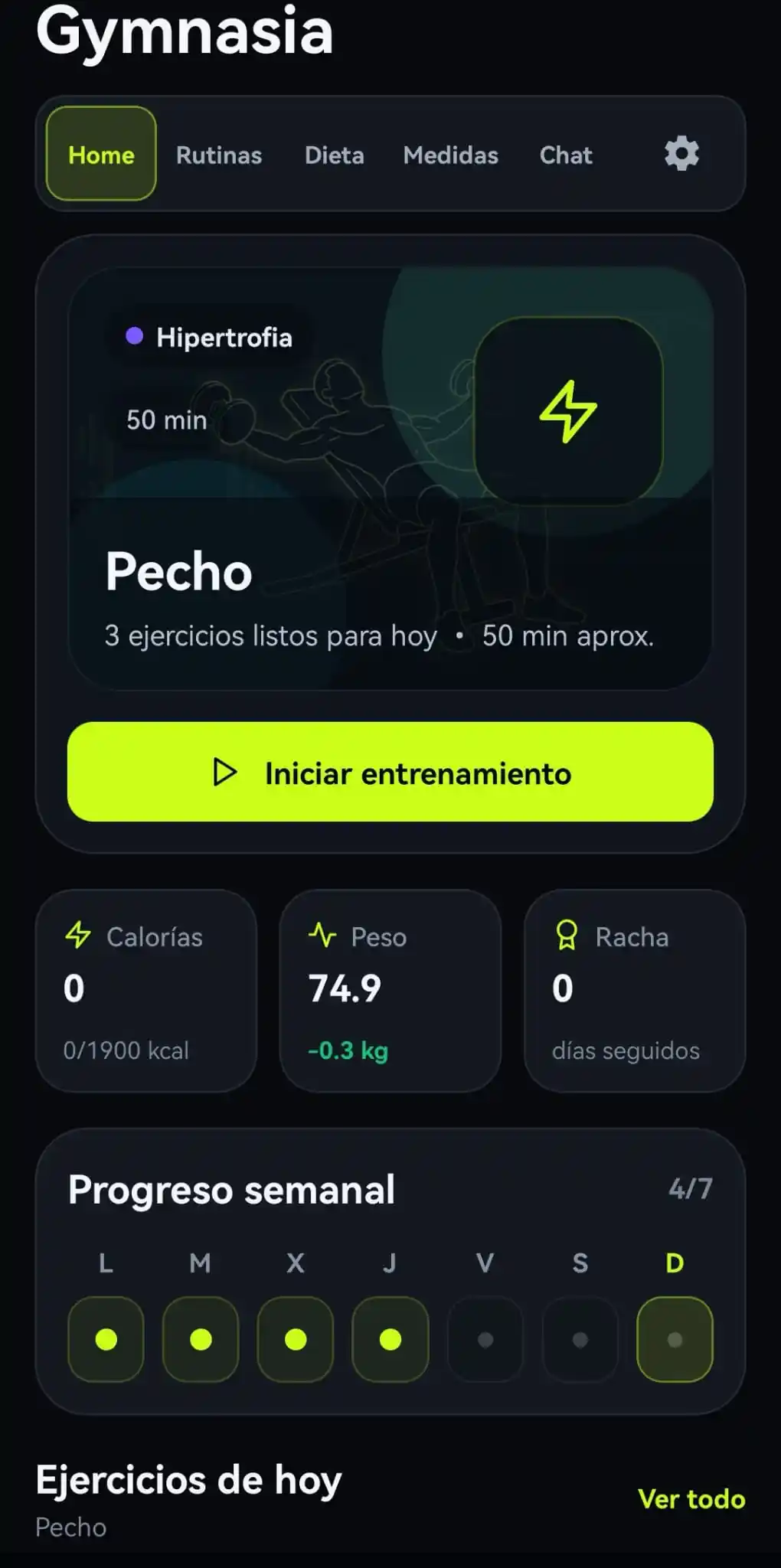
Interactive 3D talk (in Spanish) on the Gymnasia agent: where data lives, from plate to data, tools, duplicates, health limits and how to test it all.
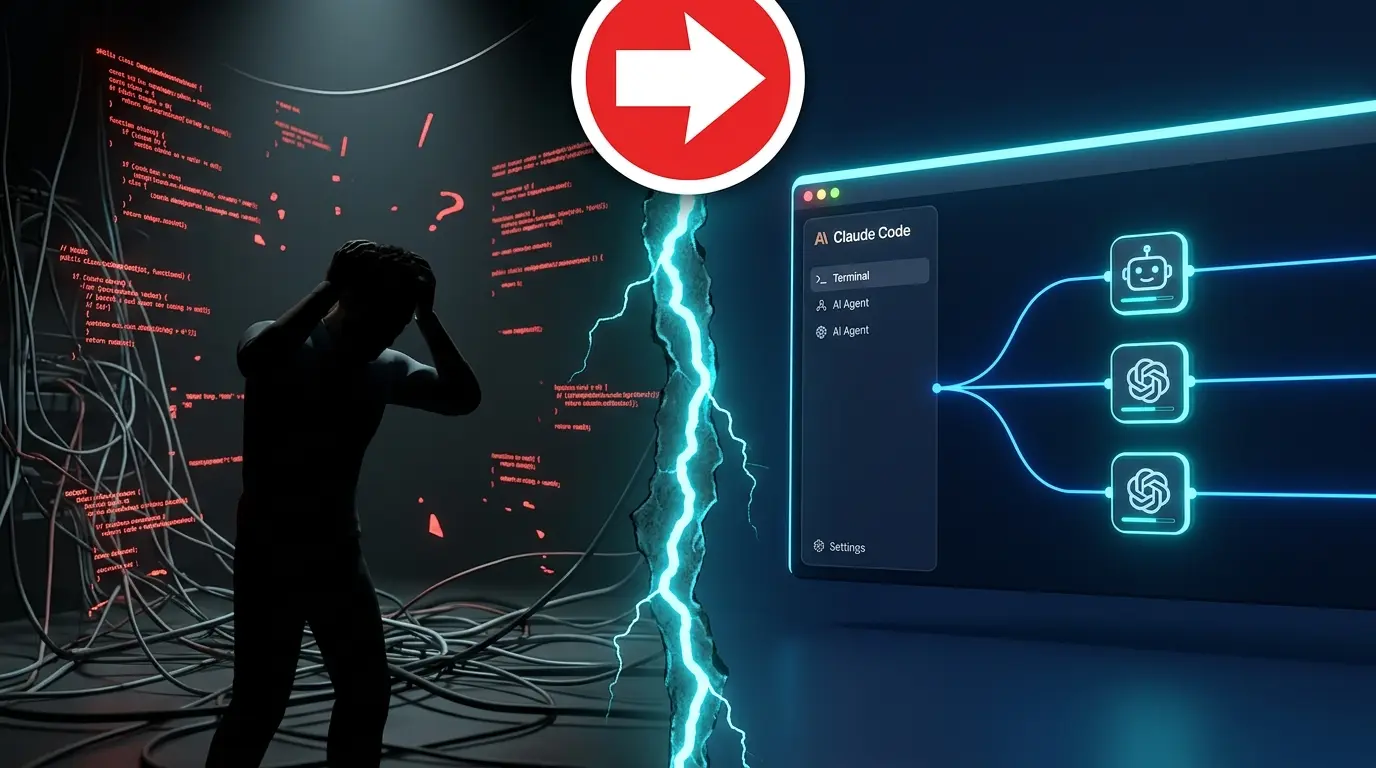
Technical talk: skills, subagents, slash commands and MCPs in Claude Code
Hugging Face spaces allow us to run models with very simple demos, but what if the demo breaks? Or if the user deletes it? That's why I've created docker containers with some interesting spaces, to be able to use them locally, whatever happens. In fact, if you click on any project view button, it may take you to a space that doesn't work.


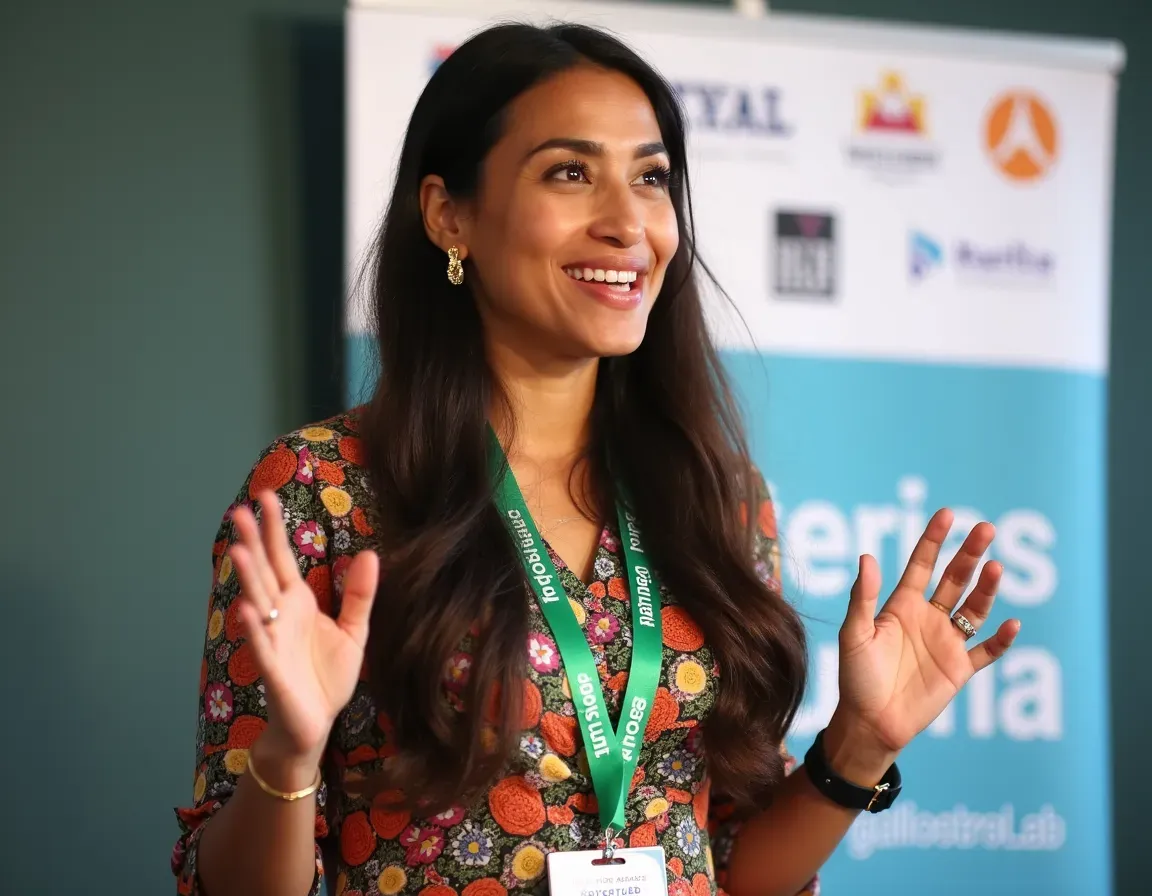

Something is hidden here...
Follow me on my channels
Turn me on
Let's talk.
maximofn@gmail.com
Machine Learning and AI specialist. I develop solutions with generative AI, intelligent agents and custom models.
Dataset with jokes in English
Use: Fine-tuning text generation models for humor
Dataset with translations from English to Spanish
Use: Training English-Spanish translation models
Dataset with Netflix movies and series
Use: Netflix catalog analysis and recommendation systems